Spider Vein Treatment in Palm Desert & La Quinta, CA
If you’re bothered by the look of spider veins—or experiencing aching, burning, itching, swelling, or cramping—Dr. Kenneth Jesser and our team offer expert evaluation and treatment options designed for natural-looking results and minimal downtime.
It’s estimated that 50–55% of women and 40–45% of men have spider veins, and they become more common with age.
Note: Spider vein treatments occur in the Palm Desert office. For questions, call (760) 341-7563 or book online.
What are spider veins?
Spider veins (also called telangiectasias) are small, thin blood vessels visible beneath the skin. They most commonly appear on the legs and face and can look like fine webs, branching lines, or thin streaks in red, blue, or purple tones.
Do spider veins cause symptoms?
Many people seek treatment because they dislike the appearance. In some cases, spider veins may be associated with symptoms such as aching, burning, itching, swelling, or cramping.
- Aching, heaviness, or soreness
- Burning or itching
- Swelling or cramping
What causes spider veins?
Several factors can contribute, including heredity, pregnancy and hormonal changes, weight gain, and prolonged standing. Even when the exact cause isn’t clear, effective treatment options are available.
How are spider veins treated?
Treatment depends on where the spider veins appear and your goals. Common options include:
Sclerotherapy
Sclerotherapy uses a small needle to inject a solution into targeted veins, causing them to close and fade over time. It’s widely used for spider veins and small varicose veins, especially on the legs.
Laser / Light-Based Therapy
Laser and light-based therapies can be used for certain superficial vessels, including facial spider veins, by delivering controlled energy to seal the vessel so your body can naturally clear it.
Before & After
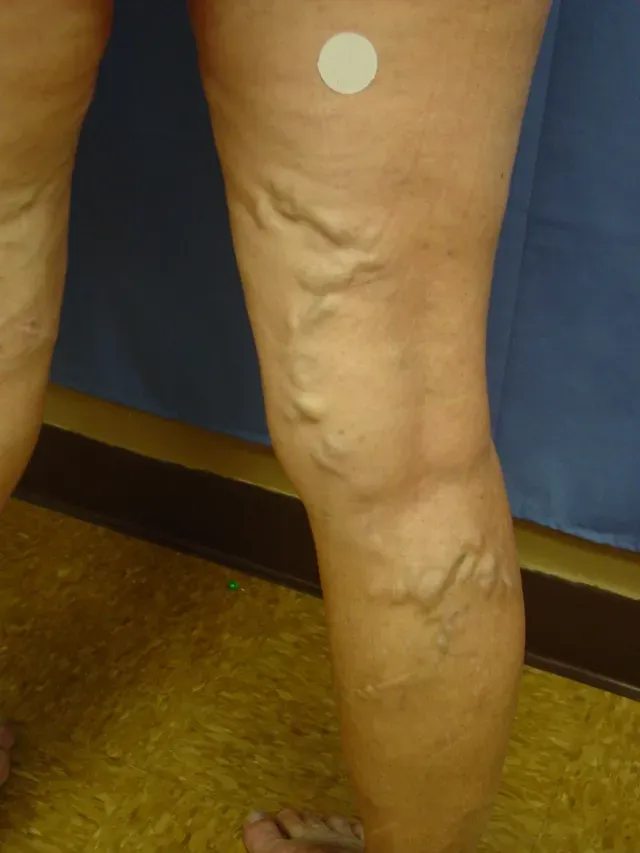
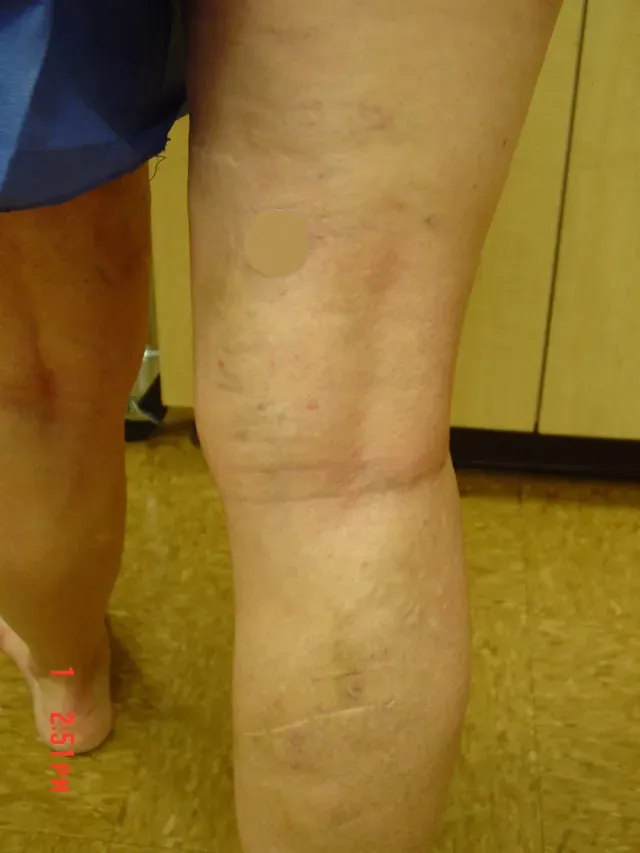
We’ll recommend a plan tailored to your veins, skin tone, and lifestyle—so results look natural and fit your schedule.
Spider Veins: Questions We Hear Every Day
What do spider veins look like?
Are spider veins the same as varicose veins?
Do spider veins cause symptoms?
What causes spider veins?
What’s the best treatment for spider veins?
How long does it take to see results?
Where are spider vein treatments performed?
Supports common prevalence ranges and general factors associated with spider veins. (50–55% women; 40–45% men) :contentReference[oaicite:0]{index=0}
Explains how sclerotherapy works and that it treats spider veins and small varicose veins. :contentReference[oaicite:1]{index=1}
Discusses risk factors like pregnancy, age, and obesity and notes these conditions are often painless. :contentReference[oaicite:2]{index=2}
Defines telangiectasia and describes visible small blood vessels near the skin surface. :contentReference[oaicite:3]{index=3}